How Hara chose Kingdom
Kingdom has run in Weekly Young Jump since January 2006. Yasuhisa Hara, our mangaka, has talked about how he got there in interviews and talks over the years, and it’s pretty interesting seeing the less-direct-than-usual route for him compared to a typical manga artist. His journey took him through a programming job, a fantasy idea about immortals, and a one-shot with a different main character (from the same story!). We found this pretty interesting, so thought we’d write about it here.
1. Programmers… or Chinese history?
According to the official author profile, Hara joined a company as a systems engineer after finishing graduate school, then left because he couldn’t give up on becoming a manga artist (there’s yet another interesting detail about how one of his bugs caused a considerable damage to his company, and the lessons he learned from his superior throughout handling it was something he was apparently able to utilize to write some Kingdom chapters with better perspectives - maybe we’ll write about that too someday…).
When he was looking for a series to pitch, he told MANTANWEB in 2022 that his own background narrowed things down:
“I had originally worked as a programmer, so the theme for my manga came down to two choices: a story about programmers, or one set in Chinese history.”
His editor encouraged the history option, and that pretty much settled it. The interest itself went back to childhood. The same article mentions Koei Tecmo’s Romance of the Three Kingdoms games (三國志) and Hiroshi Motomiya’s manga Sekiryūō (赤龍王) as early influences.
2. Finding the Shiji
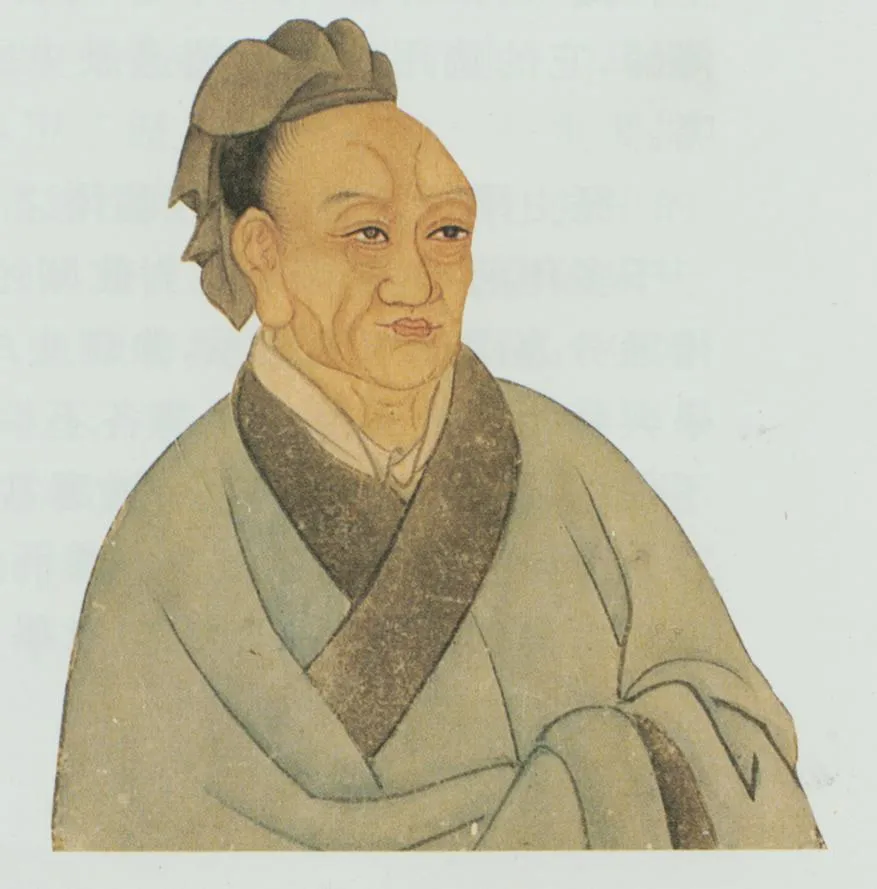
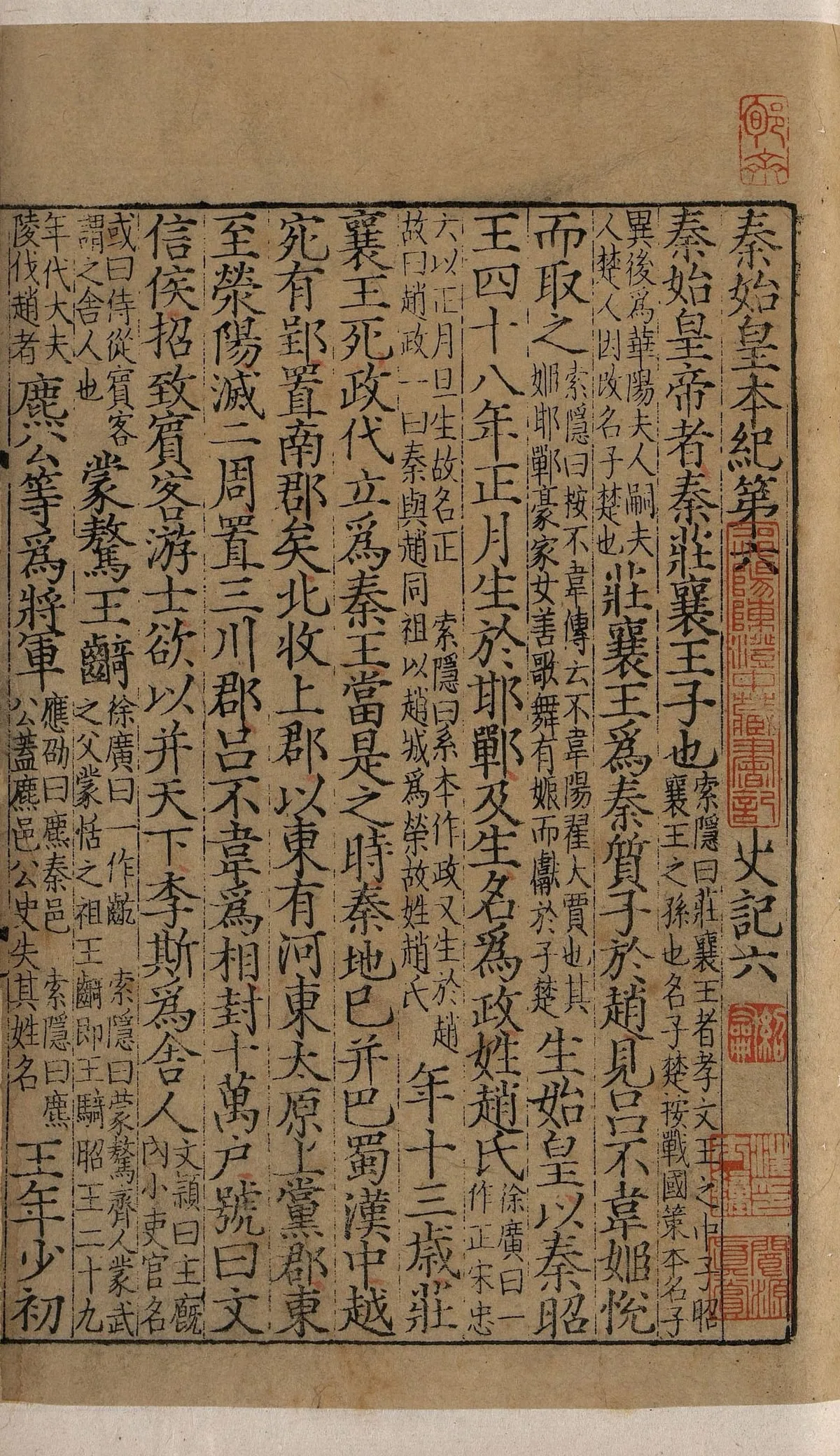
Hara’s first idea was actually not a war story at all. He planned a fantasy manga about 仙人 (sennin, the immortals of Daoist legend). While reading about ancient Chinese beliefs in immortality, he came across Sima Qian’s Shiji (史記), often called the Records of the Grand Historian in English.
“The more I researched, the more interesting it became, and that appeal wasn’t widely known yet. The Shiji mostly records historical facts in short, plain statements, so I thought I could flesh them out with free, entertaining storytelling. I decided to bet on it.”
3. Ei Sei before Shin
The protagonist also changed. Hara first pictured the future First Emperor, known in the manga as Ei Sei, in the lead role:
“At first I thought of the First Emperor as the protagonist, and I drew a one-shot about his childhood. Shin appeared in it as a kind of foil.”
Researching Li Xin (李信), the general Shin is modelled on, he found passages suggesting the First Emperor trusted him deeply, and he started imagining the two as close. There was a practical reason too:
“If the king is the main character, you can’t centre the story on the battlefield. So I thought, then let’s make Shin the protagonist! (laughs)”
The interview says he drew that one-shot. It doesn’t say whether it was ever published, and I haven’t confirmed that elsewhere, so I guess that’s that.
4. His office years
Hara had talked about his company years seven years earlier, in a conversation with Hiroshi Matsuyama at KYUSHU CEDEC 2015, a game developers’ conference held on 17 October 2015 at Kyushu University’s Ohashi campus in Fukuoka. According to Famitsu’s report, he had wanted to make it as a manga artist but gave up at that stage and took a job as a programmer. With apologies to anyone there from the company, he admitted he had been wondering when he would quit.
Once he joined, though, the work turned out to be interesting and gave him a lot of good experience:
“It’s because of that experience that I could draw Kingdom.”
The report adds that making things as part of a team, and being pushed by it, became a major source of strength for Kingdom. He also remembered the people around him:
“I once made a mistake at work that put the company in the red, but I had senior colleagues and bosses who protected me. I was very lucky.”
He added that older men look cool when they work hard, and said he prefers rugged, earthy warriors to handsome ones.
Sources
Quotations are our own translations from the Japanese originals. The Famitsu quotes are as that report presents them (excerpts), hence are not a full transcript of the talk.
- キングダム:春秋戦国時代を描く理由 作者・原泰久が語る誕生秘話 気になるラストは?MANTANWEB, 31 July 2022
- 松山洋氏、『キングダム』作者・原泰久氏による対談の模様をリポート 人気連載漫画制作の裏側に迫る【KYUSHU CEDEC】Famitsu, 18 October 2015
- 映画『キングダム 運命の炎』公式サイト|OriginalOfficial film site, author profile